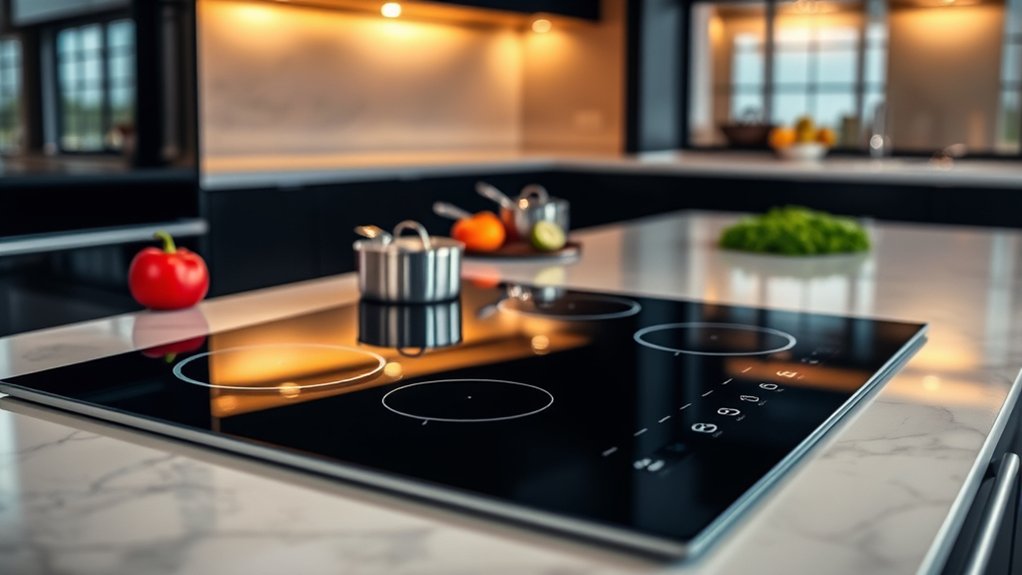
7 Induction Range Pros and Cons You Should Know
Choosing the right range can feel overwhelming, especially when you’re balancing cooking performance, energy use, cleanup, and installation costs. You’re not alone—many people struggle to decide whether an induction range is worth the investment. These induction range pros and cons can help you compare the benefits and potential drawbacks before upgrading your kitchen.
An induction range heats compatible magnetic cookware directly, so you’ll get faster boiling, precise temperature control, lower energy waste, and easier cleanup. Its smooth surface stays relatively cool and wipes clean quickly.
However, you’ll need induction-ready pans, a suitable electrical setup, proper measurements, and careful glass-surface maintenance.
Higher purchase and installation costs may also offset long-term savings, especially for occasional cooks or anyone planning to move soon.
The following details can help you decide whether induction fits your kitchen.
Key Takeaways
- Pro: Induction ranges heat compatible cookware quickly and efficiently, offering precise temperature control with less wasted heat.
- Con: Only magnetic cookware, such as cast iron or magnetic stainless steel, works reliably on induction surfaces.
- Pro: Smooth glass cooktops are easy to wipe clean, and surrounding areas stay relatively cooler during cooking.
- Con: Induction ranges typically cost more initially and may require electrical upgrades, replacement cookware, or specialized installation.
- Con: Glass surfaces can scratch or crack, requiring nonabrasive cleaning and careful handling to preserve their appearance.
How Induction Ranges Work

Induction ranges use electromagnetic energy to heat your cookware directly rather than warming a burner first. Beneath the glass surface, copper coils create a magnetic field when you turn on a cooking zone. If you place compatible cookware, such as cast iron or magnetic stainless steel, on that zone, the field induces electrical currents in the pan’s metal.
> Induction cooking uses magnetic fields to generate heat directly within compatible cookware, making the cooking surface more efficient.
Those currents produce heat inside the cookware, while the surface mainly warms from contact with the hot pan.
You’ll need to check each pan with a magnet. If it sticks firmly, the cookware will usually work. Glass, copper, and aluminum pans generally require a magnetic base.
Safety concerns include residual heat, hot cookware, and possible interference with some implanted medical devices, so follow manufacturer guidance. Keep the surface clear and wipe spills after it cools.
Your maintenance requirements are modest, but you should avoid abrasive cleaners and dragging pans across the glass. The controls also require occasional cleaning to remain responsive.
Why Induction Ranges Cook Faster

Induction ranges transfer heat directly to your cookware, so you waste less energy and cook food faster. Plus, you get instant temperature control whenever you adjust the settings. Now, let’s look at how these benefits work in practice.
Direct Heat Transfer
Unlike traditional electric or gas ranges, induction models transfer heat directly into compatible cookware through electromagnetic energy. You’ll notice this direct transfer minimizes wasted energy because the pan itself becomes the heat source, rather than waiting for a burner to heat first.
As a result, water boils sooner, and meals often finish faster than they would on conventional surfaces. This efficiency can also help you use less electricity during cooking.
However, you’ll need induction-compatible cookware, typically pans containing magnetic stainless steel or cast iron. Safety concerns are generally lower because the cooking surface stays relatively cooler, though the pan remains hot.
Maintenance requirements are simple, too: wipe spills from the smooth surface after it cools, and avoid dragging cookware that could scratch the glass.
Instant Temperature Control
When you adjust the setting, the cookware responds almost immediately, giving you precise control over cooking temperatures. Unlike gas or electric burners, induction technology transfers energy directly into compatible cookware, so you don’t wait for a heating element to warm or cool.
This rapid heating helps you boil water, sear meat, and start meals sooner. When you lower the setting, the pan cools quickly, reducing the risk of scorching sauces or overcooking delicate foods.
You’ll also appreciate the temperature precision when simmering, melting chocolate, or maintaining steady heat for long recipes. Because the cooktop reacts so quickly, you can make adjustments confidently while cooking.
However, results depend on using induction-ready pans that sit flat against the cooking surface for efficient energy transfer and consistent performance.
How Induction Ranges Save Energy

Why waste energy heating the kitchen when you can transfer it directly to your cookware? Induction ranges create a magnetic field that heats compatible pans directly, so less energy escapes into the surrounding air. You’ll often cook faster while using less electricity than with conventional electric or gas burners.
- Direct heat transfer reduces wasted energy.
- Faster cooking can shorten burner operating time.
- A cooler kitchen may reduce air-conditioning demand.
Because the cooking surface itself doesn’t produce most of the heat, you’ll experience less radiant warmth and potentially greater comfort.
Energy savings depend on your cookware, cooking habits, electricity rates, and appliance efficiency, so check the range’s energy information before buying.
Keep in mind that safety concerns and noise levels still deserve attention, even though they don’t determine energy performance.
Choose flat, induction-compatible pans that match the cooking zone to maximize contact and efficiency.
Turning the range off shortly before food finishes can also help, since the pan often retains enough heat to complete the process without continued power use.
Why Induction Ranges Are Easier to Clean
A smooth glass cooking surface gives you fewer places for spills, grease, and crumbs to hide, so cleanup is usually faster. You can wipe the flat top with a soft, damp cloth after it cools, rather than scrub around raised burners, grates, and caps.
Because the surface stays relatively cooler around the cookware, many splatters don’t bake on as quickly. That added cleaning convenience can save you time after every meal.
A cooler surrounding surface helps prevent splatters from baking on, making cleanup faster after every meal.
For better results, remove spills promptly and use a cleaner made for glass cooktops when needed. A microfiber cloth helps prevent streaks, while a nonabrasive pad can lift stubborn residue without scratching the finish.
Don’t use harsh powders, steel wool, or scrape aggressively with sharp tools. Follow the manufacturer’s maintenance tips, including keeping the control area dry and avoiding heavy impacts on the glass.
With these simple habits, you’ll keep the range looking clean and working reliably without turning routine kitchen cleanup into a long chore.
Check Whether Your Cookware Works With Induction
Before buying an induction range, check that your cookware is compatible with magnetic heating. Induction burners create heat through a magnetic field, so your pots and pans need a magnetic base. You can test each piece quickly: place a refrigerator magnet against its bottom. If it sticks firmly, the cookware will probably work.
Consider these common cookware materials:
- Cast iron usually works, although it may scratch the glass surface.
- Stainless steel works only when it contains enough magnetic metal.
- Copper, aluminum, glass, and ceramic generally won’t heat without a magnetic layer.
Look for an induction-compatible symbol or wording on the packaging or pan base. You can also consult the manufacturer’s instructions when the magnet test gives unclear results.
Check that each pan sits flat, because warped cookware may heat unevenly and could damage the cooktop. As part of your Safety precautions, lift cast-iron pieces instead of sliding them, and keep unsuitable pans off active burners.
Testing your cookware before installation helps you avoid surprises and guarantees efficient cooking from the start.
How Much Does an Induction Range Cost?
Induction ranges typically cost between $1,000 and $3,000, while premium models can exceed $5,000. You’ll usually pay more than you would for a basic electric or gas range, but prices vary by size, brand, features, and finish.
A careful cost comparison should include installation, cookware replacements, delivery, and disposal fees, not just the sticker price.
Budget considerations also include operating expenses. Induction cooking transfers heat efficiently, which may help reduce energy waste, although your savings depend on utility rates and cooking habits.
Some models include convection ovens, air-fry settings, bridge elements, or smart controls, and these features can raise the purchase price.
You might find entry-level models with fewer controls and smaller capacities, while larger professional-style ranges command higher prices. Check warranty coverage and service availability before purchasing, because repairs can add to long-term ownership costs.
Retailers often discount appliances during holiday sales, so comparing prices and promotions can help you stay within your budget and avoid paying full price.
How to Decide If Induction Fits Your Kitchen
Before choosing induction, check whether your kitchen has compatible cookware, enough electrical capacity, and sufficient installation space. It’s also worth looking at the long-term value by comparing energy savings, cooking performance, and maintenance costs with the initial price. A quick review like this can help you decide whether induction is right for your kitchen and budget.
Kitchen Compatibility Check
Your kitchen is a good candidate for induction if you have compatible cookware, sufficient electrical capacity, and a smooth, stable cooking surface. Before choosing a range, check these practical details:
- Cookware: Test pots and pans with a magnet. If it sticks firmly, the cookware should work; otherwise, plan to replace it.
- Electrical service: Confirm your panel, wiring, outlet, and circuit can support the range’s required voltage and amperage. Ask an electrician if you’re unsure.
- Space and surface: Measure the opening, clearance, ventilation, and countertop condition. Your kitchen layout should leave doors, drawers, and walkways unobstructed.
During appliance installation, follow the manufacturer’s clearance requirements and use a qualified professional when needed.
Also, make sure the cooking surface suits your habits. Induction responds quickly but requires careful placement and compatible cookware.
Weighing Long-Term Value
Once you’ve confirmed that your kitchen can accommodate an induction range, compare its long-term value with your cooking habits, budget, and energy goals.
Look beyond the higher purchase price and estimate potential long-term savings from efficient heating, lower energy waste, and faster cooking. If you cook frequently, those benefits may gradually offset the initial investment.
You should also consider durability, including the cooktop’s glass surface, electronic controls, and warranty coverage. Handle the surface carefully, and verify that replacement parts and service remain available in your area.
Induction may suit you if you value precise temperature control, quick response, and easier cleanup. However, occasional cooks or homeowners planning to move soon might not recover the added cost.
Compare total ownership expenses with your priorities before deciding.
Frequently Asked Questions
Do Induction Ranges Make Noise While Operating?
Yes, you’ll hear some noise while an induction range operates, but it’s usually mild. Common operational sounds include a soft hum, buzz, clicking, or occasional fan noise.
Your cookware affects noise levels, especially if the pan has uneven layers or doesn’t match the burner perfectly. Higher heat settings may make sounds more noticeable.
These sounds typically indicate normal operation, not a problem. If you hear loud rattling or unusual noises, check the cookware or contact service.
Are Induction Ranges Safe for People With Pacemakers?
If you have a pacemaker, ask your cardiologist before using an induction range. Induction cooking creates electromagnetic fields that could potentially cause pacemaker interference, although modern devices usually include shielding and most manufacturers consider normal use low risk.
For electromagnetic safety, keep your chest at least two feet from the active cooktop, avoid leaning over it, and follow both appliance and pacemaker guidance. Stop immediately if you notice symptoms.
Can Induction Ranges Work During Power Outages?
No, your induction range won’t work during a power outage unless you connect it to a properly sized generator or battery system. Imagine lighting a candle in a medieval castle: you’ll need another energy source.
These power outage limitations mean you should plan emergency cooking solutions, such as a gas camping stove used outdoors, a propane burner, or ready-to-eat foods.
Never operate fuel-burning appliances indoors, and follow generator safety instructions carefully during an outage.
How Long Do Induction Ranges Typically Last?
You can typically expect an induction range to last 10–15 years with proper care. Your cooking efficiency may remain excellent throughout its lifespan because the technology uses electromagnetic energy rather than traditional heating elements.
You’ll also benefit from lower energy consumption, especially when you cook frequently. Keep the glass surface clean, avoid dragging heavy cookware, and follow the manufacturer’s maintenance instructions. Prompt repairs can help you reach the upper end of that range.
Do Induction Ranges Require Special Electrical Installation?
Yes, you’ll usually need special electrical installation for an induction range—imagine your kitchen demanding its own power station!
Most models require a dedicated 240-volt circuit, proper amperage, and a compatible outlet, though exact installation requirements vary by model.
Check the manufacturer’s specifications before buying, and hire a licensed electrician if your existing circuit isn’t adequate.
You’ll gain impressive energy efficiency, faster cooking, and precise control, but installation may cost more than standard ranges.
Conclusion
Choosing an induction range means weighing speed, efficiency, easy cleanup, cookware compatibility, and cost. If your current pots and pans work—or you’re willing to replace them—you’ll enjoy precise, responsive cooking with less wasted heat.
If not, the upgrade may require extra planning and expense. So, is an induction range right for your kitchen? Consider your cooking habits, budget, and priorities, then choose the range that makes every meal simpler, faster, and more enjoyable for you.


