How Cold Should a Freezer Be for Optimal Storage?
Worried that your frozen food is losing quality or spoiling during a power outage? You’re not alone—many people struggle to find the right freezer temperature and choose a reliable freezer thermometer. The good news is that a few simple adjustments can help protect your food and reduce freezer burn.
Set your freezer to 0°F (-18°C) or lower for safe, long-term food storage and better quality. Use a freezer thermometer near the center, away from walls, vents, and packages, because built-in settings may be inaccurate.
Allow several hours or overnight after adjustments before checking again. Keep food properly sealed, avoid overcrowding, and maintain clear airflow.
Temperatures far below 0°F waste energy and may worsen freezer burn. You’ll also find practical tips for outages, maintenance, and temperature checks.
Key Takeaways
- Set your freezer to 0°F (-18°C) or colder for optimal food safety, storage quality, and preservation.
- Verify the actual temperature with a freezer thermometer placed near the center, away from walls and vents.
- Allow several hours or overnight after adjustments before checking the temperature again.
- Avoid excessively low settings, which increase energy use and may cause freezer burn or damage food quality.
- Keep air circulating by avoiding overpacking, maintaining door seals, and removing excessive frost regularly.
What Temperature Should a Freezer Be?

The ideal freezer temperature is 0°F (-18°C) or lower. Set your appliance within this range to keep frozen foods solid and maintain consistent storage conditions.
Use the built-in control or digital display to adjust the setting, then wait several hours before checking the result with an appliance thermometer. Place the thermometer near the center, where temperatures usually stay most stable, rather than beside the door.
Adjust the setting, wait several hours, then check the temperature at the freezer’s center with an appliance thermometer.
Keep the door closed during testing, and avoid judging performance by frost alone. A freezer can look cold while food softens because of uneven temperatures.
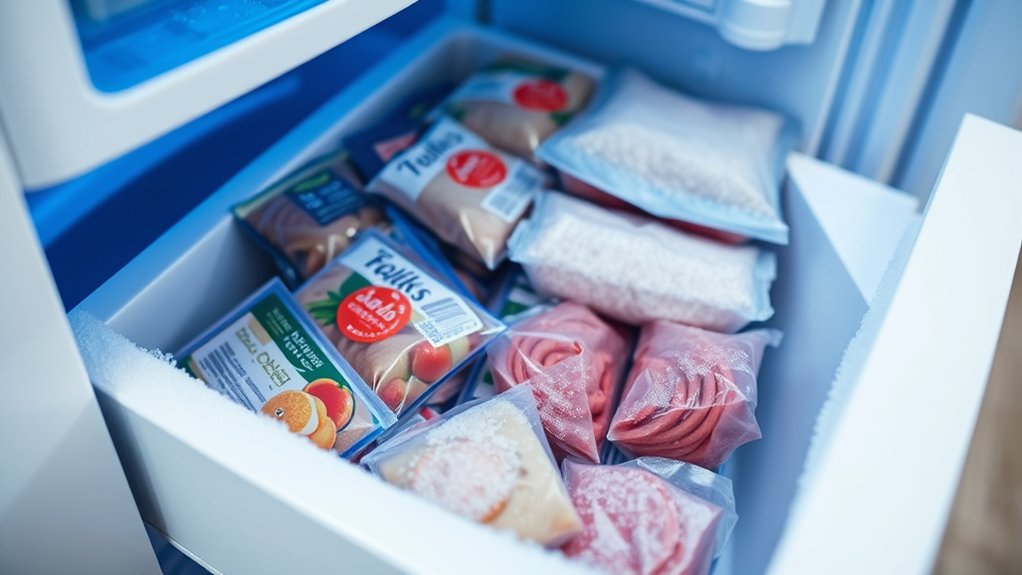
Check the seal for gaps, leave space around vents, and don’t pack items so tightly that air can’t circulate. Freezer organization helps you find food quickly, reducing the time the door stays open.
It also supports energy efficiency by allowing cold air to move freely. If your freezer remains warmer than 0°F, inspect the seal, airflow, and settings, then contact a technician if the problem continues.
Why Set Your Freezer to 0°F?

Setting your freezer to 0°F (-18°C) keeps food safely frozen, slows quality loss, and helps preserve its texture and flavor. This temperature limits microbial growth and reduces chemical changes that cause freezer burn, rancid flavors, and color loss.
You’ll protect meat, vegetables, fruit, and prepared meals for longer while maintaining better eating quality.
A steady 0°F also helps frozen snacks retain their intended crunch or creaminess. Ice cream stays firmer, bread develops fewer stale, dry patches, and packaged foods hold their texture more reliably.
Although freezing doesn’t improve food that’s already spoiled, it preserves food in good condition.
Good freezer organization makes this target more useful. Group similar items, leave space for cold air to circulate, and store newer packages behind older ones.
Label food with dates so you’ll use it within its best-quality period. Keeping the door closed as much as possible supports consistent storage conditions and reduces unnecessary energy use, helping your freezer work efficiently.
How to Check Your Freezer Temperature
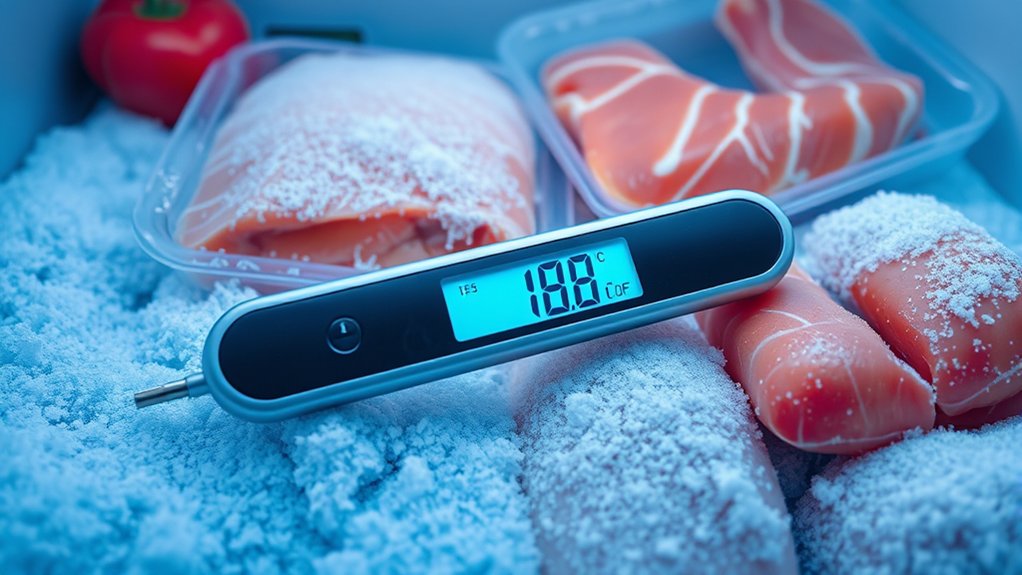
To check your freezer’s temperature, place a freezer thermometer inside and wait for an accurate reading. You can also check the built-in temperature setting, but don’t rely on it alone. Keep monitoring the temperature regularly so you can spot problems early.
Use a Freezer Thermometer
A freezer thermometer gives you a more accurate reading than the appliance’s built-in dial or display. Choose a model designed for freezing temperatures, preferably one with a clear digital or easy-to-read analog face.
Place it in the center of the freezer, away from the walls, door, vents, and stored packages. Let it sit undisturbed for several hours, ideally overnight, so it can reflect the cabinet’s actual temperature.
Check the reading when you open the door briefly, and aim for 0°F (-18°C) or colder. Record the result periodically to spot changes before food quality suffers.
Reliable readings support Food safety by confirming proper storage conditions and promote Energy efficiency by revealing unusual temperature swings or excessive cooling.
If the temperature varies, repeat the measurement with the thermometer positioned in another central location.
Check Built-In Settings
Check the freezer’s built-in dial or digital display before adjusting anything, but don’t rely on it as the only temperature check. Find the control inside the compartment, along the upper edge, or behind the front panel.
A numbered dial may show settings rather than degrees, so consult your owner’s manual to identify the coldest and recommended positions. If your freezer displays a temperature, set it to 0°F (-18°C) for safe, long-term storage.
Avoid changing the control while organizing food, since blocked vents or tightly packed shelves can affect air circulation and make the setting less meaningful. Good Freezer organization helps cold air move freely and supports Energy efficiency.
Replace the control cover securely after checking, and keep the manual nearby for model-specific instructions and alerts.
Monitor Temperature Changes
How can you tell whether your freezer is holding the right temperature? Use an appliance thermometer to check, since built-in settings show targets rather than actual conditions. Place the thermometer between frozen packages, away from the door, and wait 24 hours before reading it.
Your freezer should stay at 0°F (-18°C) or colder for safe, long-term storage. Record the temperature at the same time each day for several days, especially after loading groceries, defrosting, or a power interruption.
If readings fluctuate, check the door seal, avoid overloading, and confirm that vents aren’t blocked. Poor Freezer insulation can allow heat to enter, while frequent door openings reduce Energy efficiency and raise temperatures.
Replace damaged seals, improve airflow, and monitor again. A noticeable rise means you should act before food begins thawing.
Where to Place a Freezer Thermometer
Place the freezer thermometer in the warmest part of the compartment, usually near the front and away from the walls, vents, and ice packs. This location shows the temperature your food experiences, rather than the coldest reading beside an air outlet.
Follow these placement tips:
- Set the thermometer on a shelf or suspend it in the center of the storage area.
- Keep it visible, but don’t place it against frozen packages or the freezer liner.
- Leave space around it so air can circulate and the sensor can respond accurately.
Choose thermometer types designed for freezers, such as dial, digital, or wireless models rated for temperatures below 0°F (-18°C). A liquid-filled model can work, too, provided it’s clearly marked for freezer use.
Position the device consistently after cleaning or reorganizing, so readings remain comparable. Check it when you open the door, and wait several minutes after closing before reading it.
Replace damaged or unreliable thermometers promptly to maintain dependable monitoring.
How to Adjust Your Freezer Temperature
To adjust your freezer temperature, start by checking its current setting. Then, adjust the thermostat in small increments and monitor the changes with a freezer thermometer.
Check the Temperature Setting
Start by checking your freezer’s temperature setting, which you’ll usually find on a digital display or a dial inside the compartment. Read the current number without changing it yet.
Your freezer should generally show 0°F (-18°C) for safe, long-term food storage. If the display seems inaccurate, place an appliance thermometer inside and compare readings after several hours.
Watch for these clues:
- Food quality: Soft ice cream or partially thawed packages may signal excessive warmth.
- Frost buildup: Heavy ice on walls or packages can indicate moisture problems or poor sealing.
- Energy efficiency: Unusual cycling or steadily rising electricity use may point to an incorrect setting or malfunction.
Check the setting periodically, especially after a power outage, cleaning, or moving the appliance. Record the reading so you can track changes and identify problems early.
Adjust the Thermostat
Once you’ve checked the reading, adjust the thermostat gradually until it reaches 0°F (-18°C). Turn the control one small increment at a time, following your freezer’s manual for dial directions or digital settings.
Avoid forcing a stiff knob or changing the setting repeatedly, since sudden adjustments can strain the appliance and waste energy. Give the thermostat time to respond before making another adjustment.
For accurate temperature calibration, use the manufacturer’s recommended procedure and place the control at its center setting before fine-tuning it.
Don’t pack items against vents, which can interfere with airflow and make the thermostat work harder. Choose the coldest setting only when necessary, since a properly set freezer supports safe storage while promoting energy efficiency.
If the control won’t respond, arrange professional service rather than attempting repairs yourself.
Monitor Temperature Changes
After adjusting the thermostat, monitor the freezer’s temperature to confirm it reaches and holds 0°F (-18°C). Place an appliance thermometer inside, away from the door, and check it after 24 hours. Record readings for several days to spot unusual changes.
- Check consistency: If temperatures rise above 0°F, inspect the door seal, reduce opening times, and avoid adding large amounts of warm food.
- Watch for warning signs: Frost buildup can block vents, restrict airflow, and cause uneven cooling. Defrost the freezer when ice becomes excessive.
- Balance performance: If the freezer runs constantly or temperatures fall far below zero, raise the setting slightly. Proper calibration supports energy efficiency without compromising food safety.
Recheck the thermometer after every adjustment, allowing a full day for the temperature to stabilize. Call a technician if fluctuations continue despite a clean seal and clear vents.
Why Is Your Freezer Too Warm?
A freezer may be too warm because its door is not sealing, its vents are blocked, or its temperature setting is excessively high. You’ll also notice trouble when frost, dust, or overpacked shelves restrict airflow.
Check freezer insulation for damage, and test door seal integrity by closing the door on a sheet of paper. If it slides out easily, replace the gasket.
| Clue | Likely cause | Your action |
|---|---|---|
| Soft food | Warm setting | Adjust controls |
| Heavy frost | Poor seal | Inspect gasket |
| Weak airflow | Blocked vents | Rearrange packages |
| Long cycles | Dirty coils | Clean condenser |
Keep the door closed while you investigate. Repeated opening lets cold air escape.
Move food away from interior vents, and leave space between packages so air can circulate. Clean dusty coils if your model exposes them.
If the freezer remains warm after these checks, unplug it safely and contact a qualified technician. Spoiled food may smell normal, so discard anything that has thawed considerably.
Can a Freezer Be Too Cold?
Yes, your freezer can be too cold, even though it should stay at the ideal temperature of 0°F (-18°C). Temperatures much lower than that can use more energy, damage certain foods, and lead to freezer burn. In the next section, you’ll learn how to spot and prevent these problems.
Ideal Freezer Temperature
The ideal freezer temperature is 0°F (-18°C), which keeps food safely frozen while preserving its quality. Set your freezer near this benchmark to maintain texture, flavor, and nutritional value. You’ll also create dependable conditions for everyday storage.
- Check the display with an appliance thermometer for an accurate reading.
- Keep frozen snacks sealed tightly to limit moisture exposure and maintain freshness.
- Leave space between packages so cold air can circulate evenly.
A steady 0°F helps slow ice crystal formation, which can affect texture when food thaws. Avoid frequent temperature changes by opening the door only when necessary and returning items promptly.
You can organize packages by type and date, making it easier to find what you need without prolonged searching. If your freezer lacks a temperature setting, adjust it gradually and confirm the result after several hours. This approach keeps storage consistent and practical.
Risks of Excessive Coldness
Although colder settings won’t usually make food unsafe, they can reduce quality and increase energy use. Your freezer may cause freezer burn faster when food loses moisture, leaving meat, vegetables, and prepared meals dry or tough.
Extremely low temperatures can also make ice cream rock-hard, complicating serving and encouraging temperature fluctuations while you wait for it to soften.
Check your owner’s manual before lowering the thermostat, since excessive cooling may strain the compressor and shorten its service life.
Good freezer insulation helps maintain safe temperatures without extreme settings, but damaged seals force the appliance to run longer.
Watch for frost buildup, which can restrict airflow and reduce storage space. Keep packages sealed, inspect the door gasket, and aim for 0°F (-18°C) rather than the coldest available setting for efficient, consistent storage.
How Freezer Temperature Affects Food Quality
Keeping your freezer at 0°F (-18°C) or below helps preserve food’s texture, flavor, color, and nutritional value. At this temperature, freezing slows microbial growth and chemical reactions, supporting reliable food preservation without unnecessarily damaging quality.
Freezing at 0°F or below preserves food’s texture, flavor, color, and nutrients while slowing microbial growth and chemical changes.
- Texture: Stable freezing limits large ice crystals, so meats, vegetables, and prepared meals retain more of their original structure when thawed.
- Flavor and aroma: Proper cold storage reduces oxidation, helping foods taste fresher and preventing odors from becoming stale or rancid.
- Color and nutrients: Consistent temperatures help protect natural color and slow nutrient losses, especially in produce stored in airtight packaging.
Temperature fluctuations can cause partial thawing and refreezing, which creates larger crystals and leads to dryness, freezer burn, and weaker textures.
Although freezer burn doesn’t make food unsafe, it can reduce its taste and appearance. Good packaging further supports quality by limiting air exposure and moisture loss.
Efficient freezing also contributes to freezer efficiency by preserving food without excessive energy waste or quality decline.
How to Keep Your Freezer at 0°F
To protect food quality, set your freezer to 0°F (-18°C) and monitor it with an appliance thermometer. Place the thermometer near the front, then check it regularly, since the door area can run warmer. Adjust the control gradually and wait 24 hours before checking again.
Use this quick guide:
| Check | Action |
|---|---|
| Temperature | Confirm 0°F daily |
| Door seal | Clean and inspect |
| Airflow | Keep vents clear |
| Organization | Group and label items |
Strong Freezer organization helps cold air circulate. Leave space around packages, avoid packing food tightly, and store frequently used items near the top or front.
Keep the door closed as much as possible, and replace damaged gaskets so warm air can’t enter. Defrost manual models when ice becomes about a quarter-inch thick.
For Energy efficiency, keep your freezer away from ovens, direct sunlight, and heat vents. Don’t add large amounts of warm food at once.
Cool items in the refrigerator first, then freeze them in small portions. Recheck the temperature after rearranging contents or changing the thermostat.
What to Do After a Freezer Power Outage
After a power outage, check the freezer’s temperature and keep the door closed until you can assess the food safely. A full freezer usually stays cold for about 48 hours, while a half-full freezer lasts roughly 24 hours.
Keep the freezer door closed after an outage; a full freezer stays cold about 48 hours, while a half-full freezer lasts roughly 24.
If food still contains ice crystals or measures 40°F or colder, refreeze it or cook it immediately.
- Check temperature: Use an appliance thermometer. Discard perishable food that has remained above 40°F for over two hours, or one hour if the room exceeds 90°F.
- Inspect food: Never taste food to judge safety. Throw away items with unusual odors, colors, or textures, and clean spills promptly.
- Restore performance: Once power returns, avoid opening the door unnecessarily. Remove excess frost buildup, verify the seal, and leave space around packages for airflow and energy efficiency.
If you discard food, contact your utility or insurance provider about possible reimbursement. Keep a frozen-gel pack and thermometer ready for future outages.
Frequently Asked Questions
How Long Can Frozen Food Safely Remain in the Freezer?
You can keep frozen food indefinitely when your freezer stays at 0°F (-18°C), because freezing prevents bacterial growth. However, quality declines over time.
Use frozen ground meat within three to four months, steaks within six to twelve months, cooked leftovers within two to six months, and poultry within six months.
Follow package dates and discard food showing spoilage after thawing. For food safety and freezer efficiency, label items and rotate older packages first.
Does Freezer Organization Affect Cold Air Circulation?
Yes, freezer organization affects cold air circulation, and the hidden problem may surprise you. When you pack items tightly against vents, cold air can’t move freely, creating warm spots that threaten food quality.
Improve airflow efficiency by leaving small gaps around packages and keeping vents unobstructed. Follow a storage hierarchy: place frequently used foods near the front, heavier items below, and newer packages behind older ones.
This arrangement supports consistent freezing and easier access.
Should Different Types of Freezers Use Different Temperature Settings?
Yes, you should usually keep different freezer types at the same recommended setting: 0°F (-18°C). Chest freezers often maintain temperature stability better because cold air stays inside when you open them.
Upright models may need extra care, especially near the door, while compact or refrigerator-freezer units can fluctuate more. Check your manual, monitor actual temperatures, and adjust only when necessary.
Strong freezer insulation, full shelves, and proper airflow help every design perform efficiently.
How Often Should a Freezer Be Defrosted?
Defrost your freezer whenever frost exceeds ¼ inch, typically once or twice yearly. Don’t wait for thick ice to restrict storage, strain the compressor, or raise energy use.
During each session, unplug the appliance, move food to an insulated cooler, let ice melt, and wipe every surface completely dry. Include defrosting in your Freezer maintenance routine, then check Temperature calibration afterward to confirm stable, safe operation and efficient performance.
Can Repeatedly Opening the Freezer Door Raise Energy Costs?
Yes, repeatedly opening your freezer door can raise energy costs. Each opening lets cold air escape and warm, humid air enter, forcing the compressor to run longer to restore the set temperature.
You’ll improve energy efficiency by opening the door briefly, grouping items before retrieving them, and checking that door insulation and seals remain intact.
A poorly sealing gasket wastes energy even when you don’t open the freezer frequently.
Conclusion
Keep your freezer at 0°F to preserve food safely and maintain its quality. Check the temperature with a reliable freezer thermometer, adjust the setting gradually, and avoid overloading the compartments.
If a power outage occurs, keep the door closed so the cold doesn’t escape. When in doubt, discard food that has thawed or warmed.
With these simple habits, you’ll keep your freezer running like a well-oiled machine and your stored meals fresh longer. Knowing how cold a freezer should be helps ensure optimal storage and food safety.